Google September 2026 Spam Update: What Website Owners Should Know
Google has officially completed its September 2026 spam update, which began on September 24 and ended on October 8, 2026. The update took nearly 14 days to roll out worldwide, affecting Google's search systems across all languages.
The update is part of Google's ongoing efforts to identify spammy practices, prevent search ranking manipulation, and improve the quality of search results. While Google has not revealed the specific types of spam targeted in this update, its completion has raised questions among website owners and SEO professionals about possible changes in search rankings and organic traffic.
So, what does this update mean for your website, and what should you be looking at now? Let's understand the update and the important things website owners should know.
What Is Google's September 2026 Spam Update?
Google regularly updates its search systems to identify websites that violate its spam policies. These updates help its automated systems detect manipulative SEO practices and prevent low-quality or misleading content from gaining an unfair advantage in search results.
The September 2026 spam update was released globally and applied to all languages. Google initially indicated that the rollout could take up to two weeks, and it was completed within that timeframe.
Unlike a broad core update, which can affect rankings through changes to Google's overall assessment of content, a spam update focuses specifically on improving spam detection.
Google has not confirmed whether this particular update targeted link spam, scaled content, AI-generated spam, or any other specific practice.
What Should Website Owners Know About This Update?
Now that the rollout is complete, website owners have a clearer timeframe for reviewing their website's search performance. However, there are a few important things to understand before making changes to an existing SEO strategy.
1. Not Every Ranking Drop Is Related to the Spam Update
One of the most common reactions to a Google update is to assume that any decline in rankings or organic traffic must be connected to it.
However, search rankings change regularly due to competition, search intent, seasonal demand, website changes, and other factors.
If your website experienced a decline between September 24 and October 8, it is worth investigating, but that alone does not confirm the spam update was responsible.
Look for consistent changes across important keywords and landing pages rather than reacting to short-term fluctuations.
2. Google's Spam Policies Apply to More Than Just Backlinks
Many website owners associate Google spam updates primarily with poor-quality backlinks. However, Google's spam policies cover a much broader range of practices.
Some examples include:
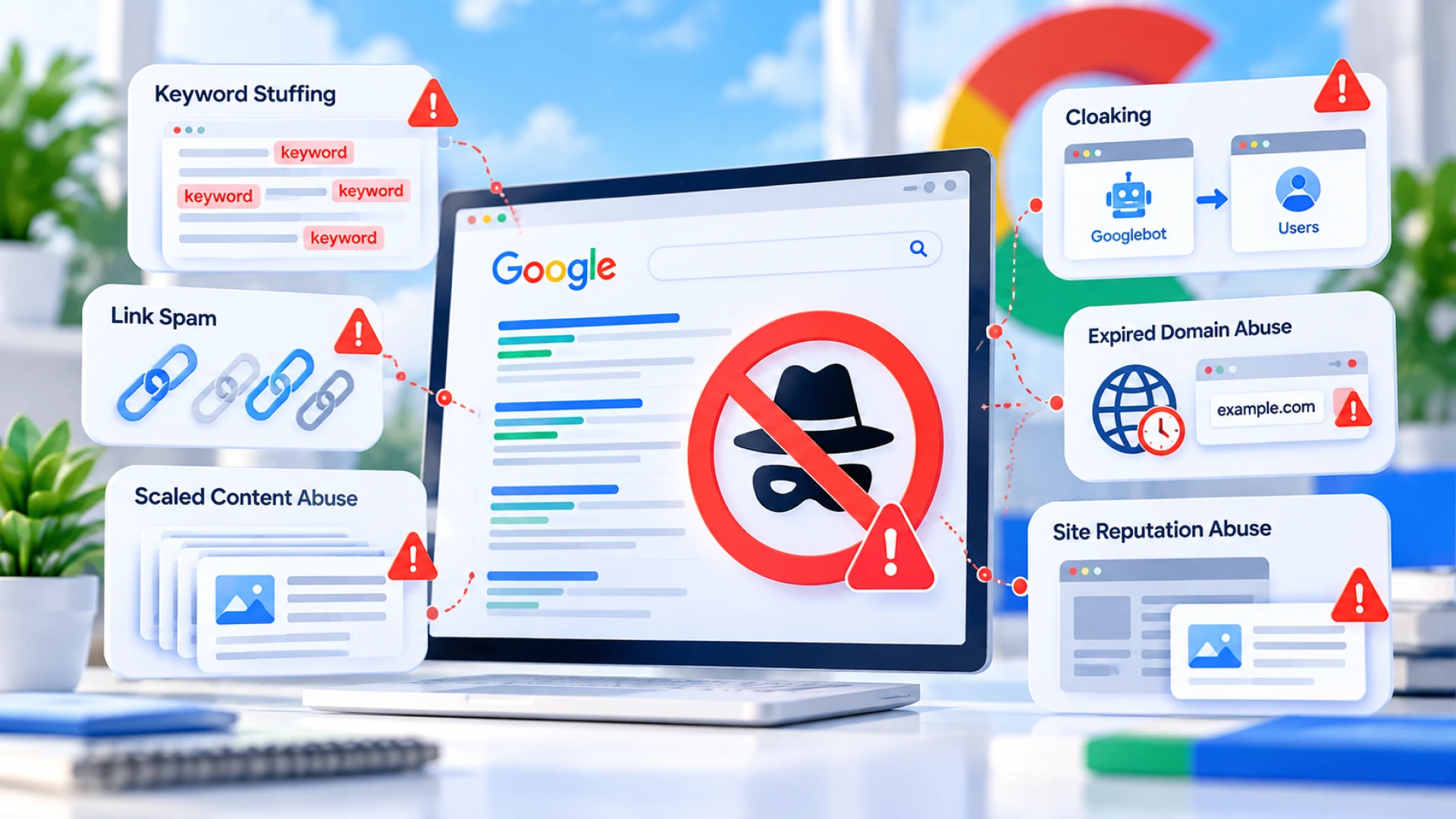
Keyword Stuffing: Repeating keywords unnaturally throughout content to manipulate search rankings.
Link Spam: Buying or creating links primarily to influence search rankings rather than earn genuine references.
Scaled Content Abuse: Producing large amounts of content primarily to manipulate rankings without providing meaningful value.
Cloaking: Presenting different content to search engines and visitors to manipulate search results.
Expired Domain Abuse: Using expired domains primarily to exploit their previous ranking signals for unrelated or low-value content.
Site Reputation Abuse: Publishing third-party content on an established website mainly to take advantage of its existing ranking signals.
These are existing examples from Google's spam policies, not practices specifically confirmed as targets of the September update.
Website owners should review their SEO activities against these policies, particularly if their websites have experienced significant visibility changes.
3. AI-Generated Content Is Not Automatically Considered Spam
With more businesses using AI tools to create website content, a common concern is whether Google's spam updates specifically target AI-generated articles.
Google does not consider content spam simply because artificial intelligence was used to produce it.
The concern arises when content is generated at scale primarily to manipulate search rankings, especially when it offers little original information or meaningful value to readers.
For example, publishing hundreds of nearly identical pages targeting slight keyword variations without providing useful information could create problems under Google's scaled content abuse policy.
On the other hand, using AI to support research, organize information, or assist with writing is not automatically a violation.
The important factor is whether the content genuinely helps users and follows Google's search policies.
4. A Sudden Change in SEO Tool Rankings Does Not Always Reflect Actual Search Performance
Third-party SEO tools are useful for tracking keyword rankings, but their data should not be treated as the only indicator of website performance.
During major Google updates, ranking trackers can sometimes report unusual fluctuations due to changes in how search results are collected or interpreted.
If an SEO tool shows a sudden drop, check whether the same pattern appears in Google Search Console.
Look at organic clicks, impressions, affected queries, and landing pages. A sustained decline across multiple days deserves closer attention than a temporary change in a ranking report.
5. Websites Following Google's Guidelines Do Not Need to Make Immediate Changes
If your website has maintained stable organic performance, there is no need to redesign pages, remove content, or change your entire SEO strategy simply because a spam update has finished.
Google's spam updates are intended to improve the detection of practices that violate its policies.
Continue monitoring performance and maintaining your website, but avoid making unnecessary changes without identifying a genuine issue.
How to Check Whether Your Website Was Affected
The September update ran from September 24 to October 8, giving website owners a specific period to examine.
Here are a few practical checks you can perform.
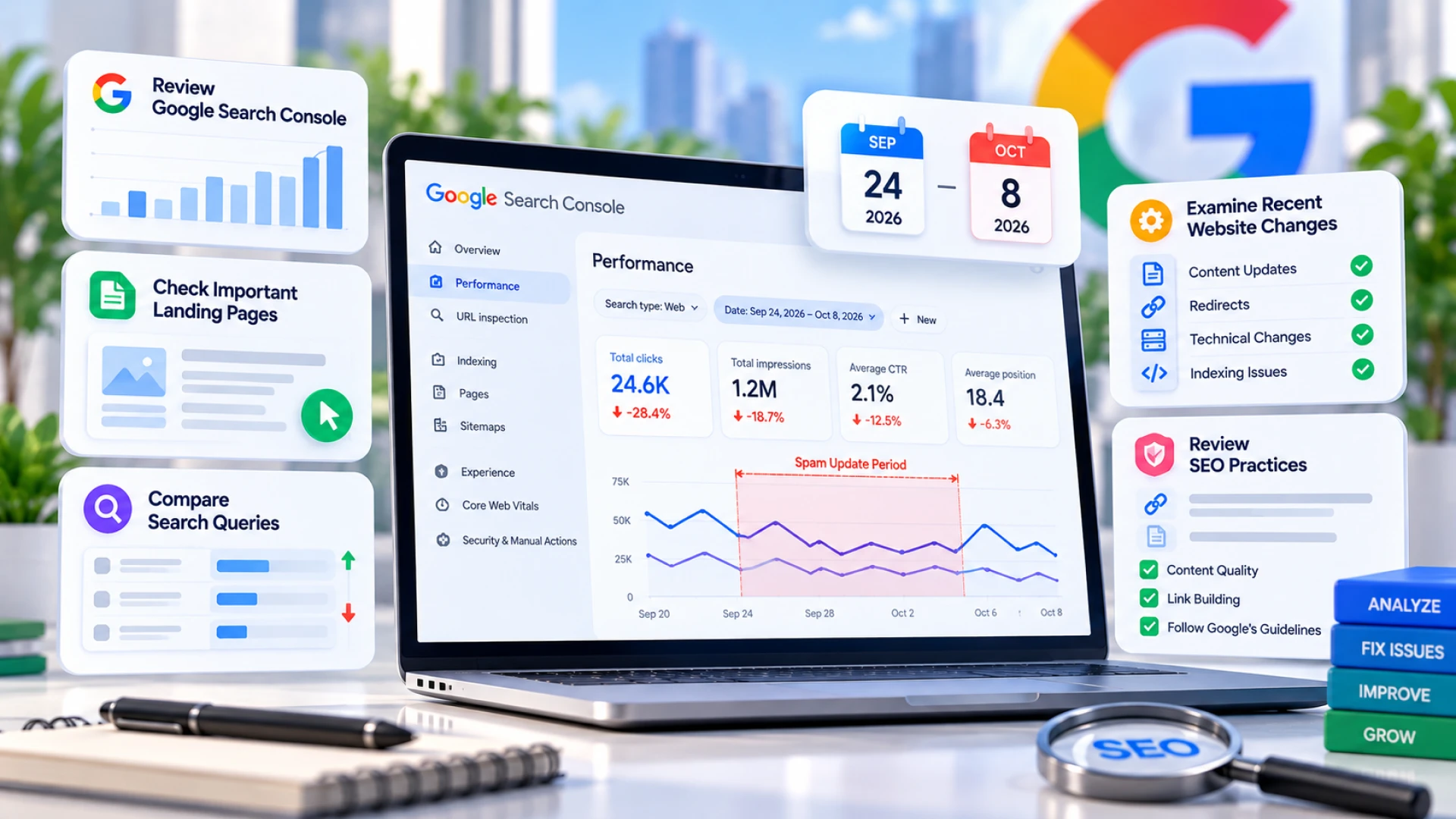
Review Google Search Console
Open the Performance report and compare your organic search data before, during, and after the rollout. Allow time for newer data to become available.
Check Important Landing Pages
Identify whether traffic changes are limited to particular pages or affect the website more broadly. This can help narrow down potential causes.
Compare Search Queries
Review the keywords and search queries that previously generated impressions and clicks. Check whether changes are concentrated around certain topics or page groups.
Examine Recent Website Changes
Consider whether any technical changes, content updates, redirects, indexing problems, or other website modifications occurred around the same period.
Review SEO Practices
If the decline is significant and sustained, review your content and link-building practices against Google's official spam policies.
Keep in mind that a traffic decline during the rollout does not automatically mean Google identified your website as spam.
Can a Website Recover After Being Affected by a Spam Update?
Yes, recovery may be possible, depending on the issues involved.
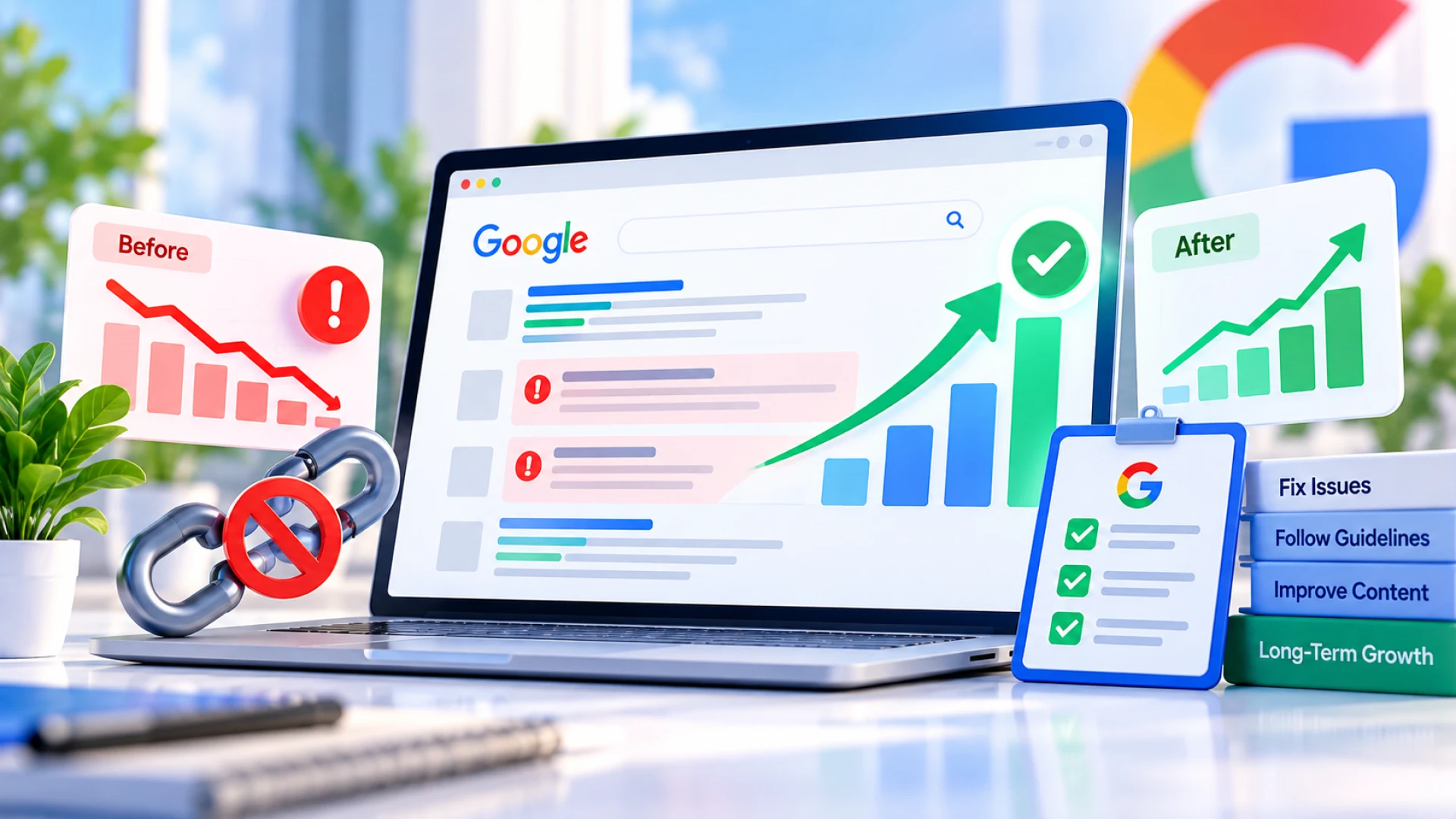
Google recommends that websites affected by spam updates review its spam policies and make changes to ensure compliance.
However, recovery does not necessarily happen immediately after those changes are made. Google's automated systems may take several months to recognize that a website is consistently following its policies.
There is also an important distinction when it comes to link spam.
If Google has neutralized the ranking benefits of unnatural links, removing those links may not restore the previous rankings because the artificial ranking signals are no longer counted.
For this reason, website owners should focus on correcting genuine issues and improving long-term search quality rather than expecting an immediate return to previous positions.
What Should Your SEO Strategy Focus on Going Forward?
Google's September 2026 spam update is another reason to evaluate whether your SEO strategy is built around long-term website growth or short-term ranking tactics.
A sustainable approach should include:
Useful, original content: Publish information that answers real user questions and adds value beyond what is already available online.
Relevant and natural backlinks: Focus on earning genuine references rather than creating links solely to manipulate rankings.
Strong technical SEO: Maintain a crawlable, accessible website with proper indexing, internal linking, and page structure.
Regular content reviews: Keep important pages accurate, relevant, and updated when information changes.
Search intent alignment: Create pages that genuinely match what users are looking for instead of targeting keywords without a clear purpose.
Consistent performance monitoring: Use Google Search Console and analytics data to understand changes and make informed decisions.
These practices do not guarantee protection from ranking changes, but they help establish a more reliable foundation for organic search growth.
Final Thoughts
Google's September 2026 spam update has completed its rollout, but its exact impact will vary across websites. Since Google has not disclosed the specific spam practices targeted, website owners should avoid drawing conclusions based on ranking fluctuations alone.
The best approach is to review actual search performance, understand Google's spam policies, and address issues where there is clear evidence of a problem.
For businesses investing in SEO, the focus should remain on creating helpful content, maintaining a technically sound website, and following search practices that support sustainable visibility.
For more insights on Google Search, SEO, AI search, and digital marketing, explore our blog.
Concerned About Your Website's SEO Performance?
Google updates can affect search visibility, but understanding what needs attention is the first step. Our SEO team can review your website, identify potential issues, and recommend improvements to strengthen your organic search performance.

You May Also Like
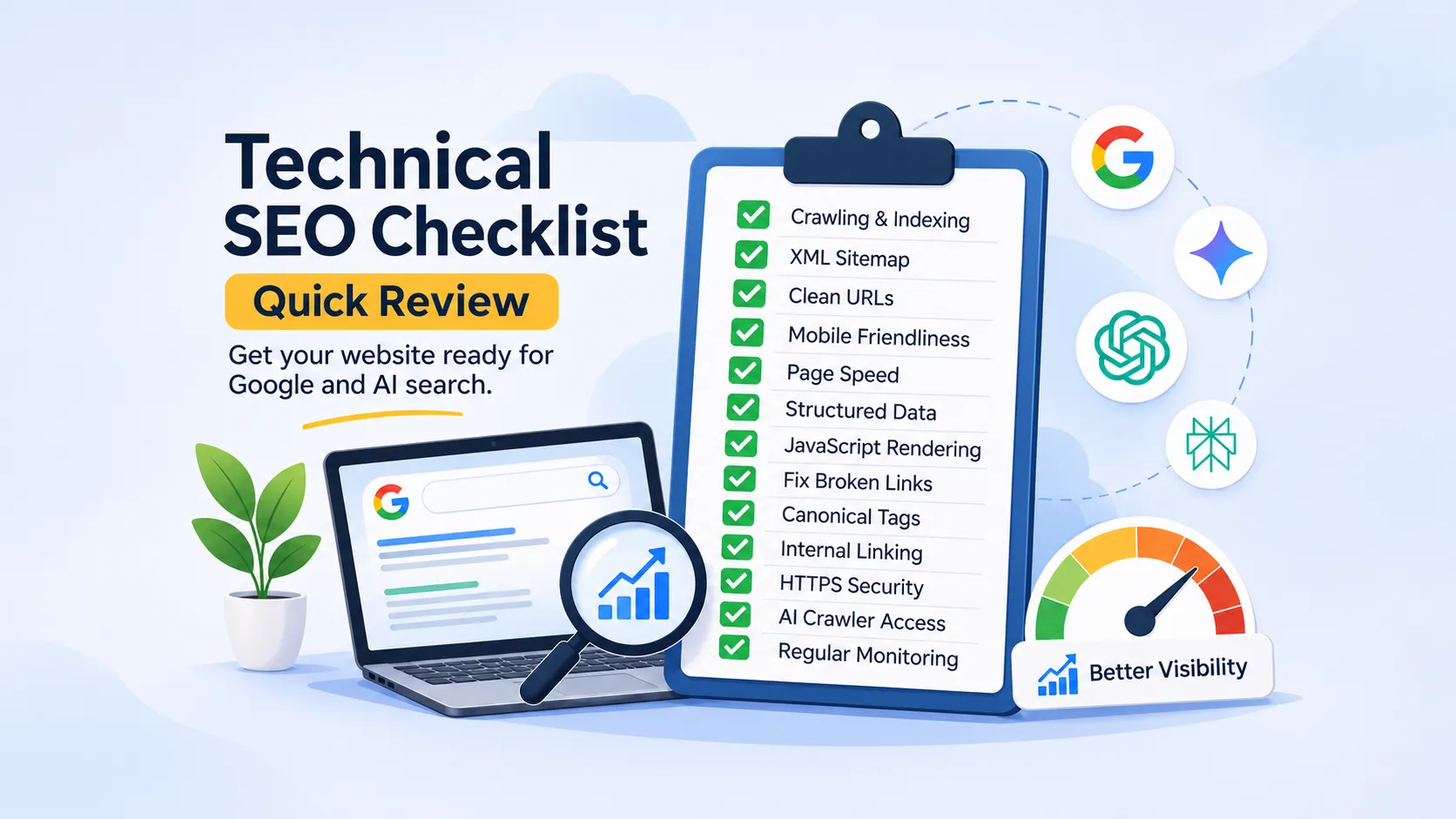
Technical SEO Checklist for Better Google and AI Search Visibility
Read Article
Top Deal Apps and Platforms to Get Your Restaurant Noticed in Tricity
Read Article
How Pharmaceutical Companies Can Generate B2B Leads Online
Read Article